GardenTours.com
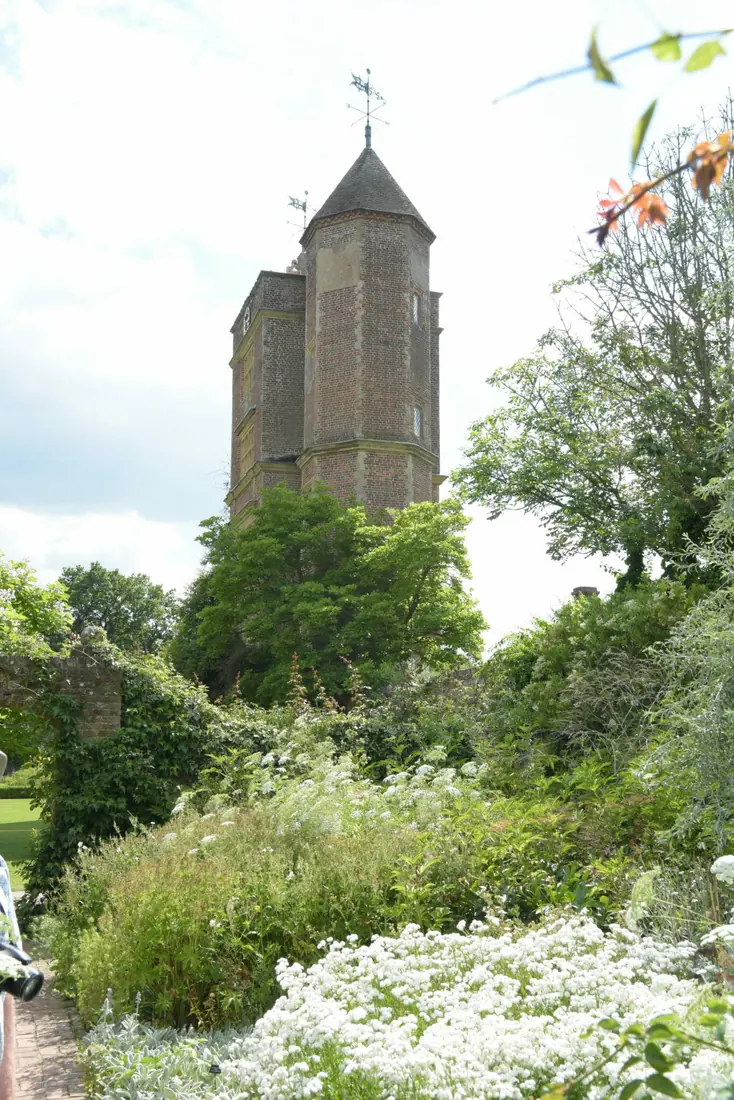
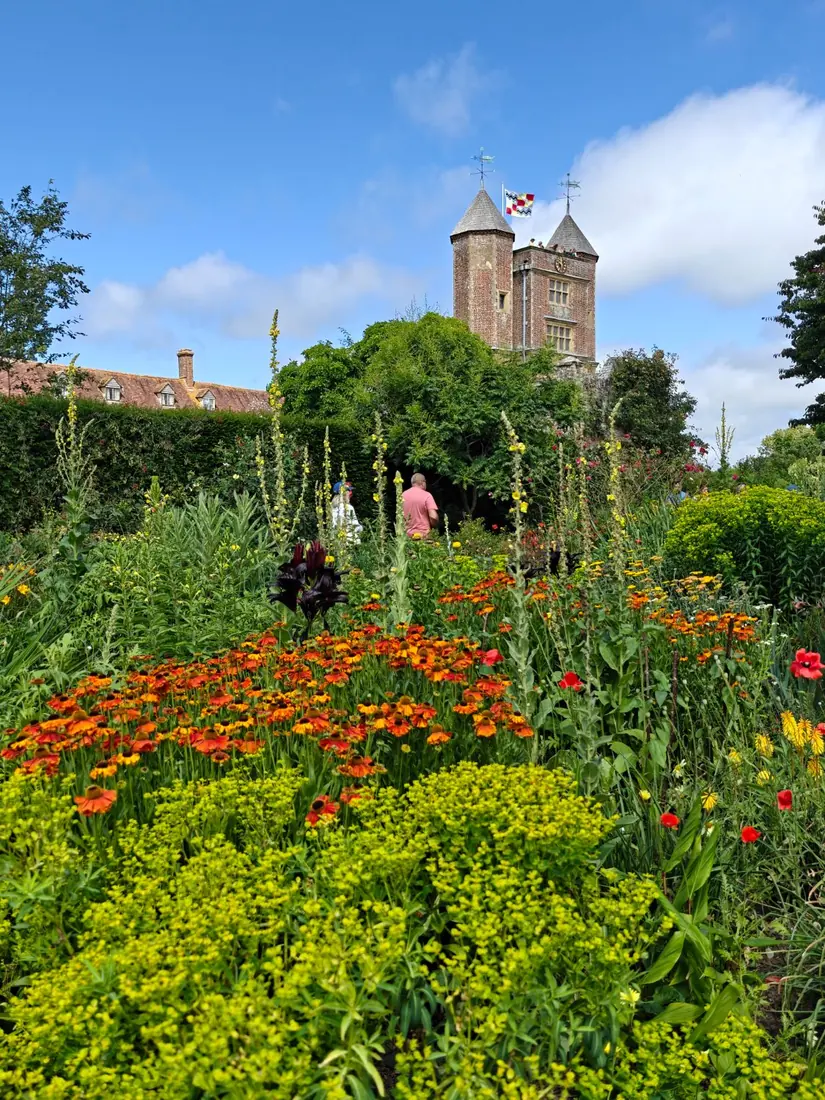
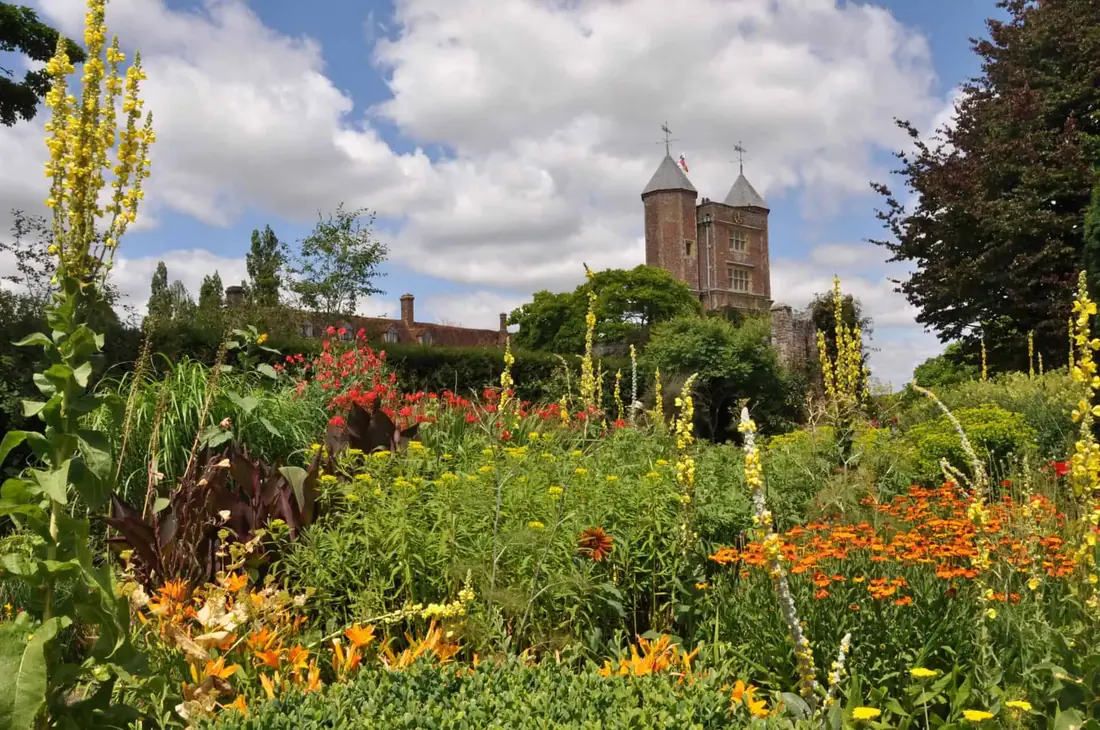
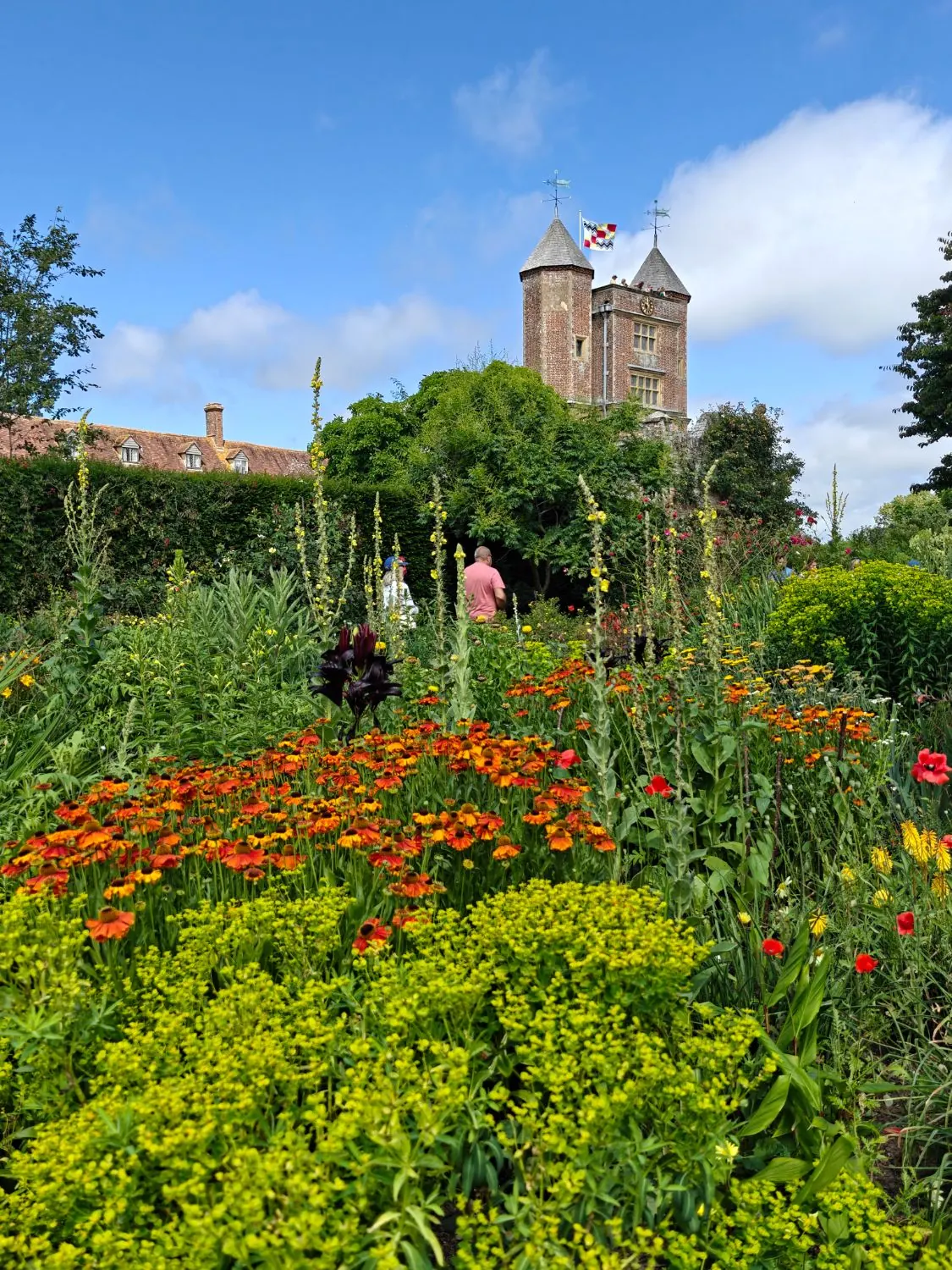
The Elizabethan tower at Sissinghurst rising above hot-coloured summer borders of heleniums and euphorbia
England · Kent, Sussex & Surrey · 19–26 June 2027

Kent & Sussex Summer Garden Tour 2027

Kew and Wisley, private Kent gardens, Sissinghurst and Great Dixter — an eight-day summer journey through the gardens of south-east England, with Derek Jarman's garden on the shingle at Dungeness and time in Royal Tunbridge Wells and Canterbury.

Tour Price
US$4,735 per person

Deposit: US$1,000

Duration
8 days / 7 nights
Hotels
Hilton London Heathrow Airport Terminal 4 & Royal Spa Hotel, Royal Tunbridge Wells
Activity level
Moderate
Tour overview

English gardens in summer, from Kew to the Kent countryside

At Sissinghurst, a doorway in a hedge leads from one planting world into another. At Great Dixter, flowers, foliage and self-sown plants crowd around the framework of an old Sussex house. At Dungeness, Derek Jarman’s garden opens directly onto the shingle landscape. These gardens have very different characters, and each gives us a reason to linger.

This journey connects them with the estates and private gardens of Kent and Sussex, beginning at the Royal Botanic Gardens, Kew, and ending at RHS Garden Wisley. Between those two horticultural collections, we encounter gardens made around homes, gardens shaped by inherited landscapes and planting that continues to develop through experiment. There is much to enjoy for experienced gardeners and plenty to engage anyone drawn to beautiful places, plants and the stories behind them.

Godinton introduces the country programme with formal terraces, an enclosing yew hedge and herbaceous borders, followed by the open shore at Prospect Cottage. Hever Castle and Pashley Manor bring different scales to the English country garden, from an ambitious Italian Garden and lake to intimate planting around a family home. Old Bladbean Stud adds the distinctive choices of a private gardener, while Goodnestone Park takes us through walled enclosures and out towards terraces and woodland.

Sissinghurst and Great Dixter share a day at the centre of the journey. We then visit Long Barn, where Vita Sackville-West and Harold Nicolson gardened before moving to Sissinghurst. An owner’s talk connects its history with the care of the garden today, giving a personal perspective on places whose influence reaches far beyond Kent.

Summer brings substance to the borders: perennials grow into their space, roses contribute colour and scent, and mature trees give shade and shape to the wider gardens. June and July reveal different stages of the season. The pleasure lies in seeing the whole garden as it is during our visit, with the flowering, foliage and growth that each year brings.

There is time away from the gardens too. Royal Tunbridge Wells and Canterbury offer opportunities to explore independently, while included lunches, refreshments and a cream tea provide pauses along the way. The result is a varied journey through south-east England, with celebrated gardens and less familiar discoveries contributing equally to the week.

Day-by-day itinerary

A day-by-day guide to the gardens visited, hotels and the shape of the journey.

The Hilton London Heathrow Airport Terminal 4 hotel seen from outside, with trees and planting in front
Day 1 · Saturday 19 June 2027

Arrival in London

Stay:  Hilton London Heathrow Airport Terminal 4

Arrive in London and settle in before the garden programme begins. The remainder of the day is at leisure, giving you time to rest after travelling and prepare for our first visit at Kew tomorrow.

The week ahead takes us from botanical collections into the Kent and Sussex countryside, with historic estates, private planting and two of the most influential gardens in England. We will encounter different approaches to gardening as we go, from the shelter of old walls to the exposed shore at Dungeness.

Today leaves room for your arrival arrangements and any independent plans you have made. If you are extending your visit to London before the tour, this is an opportunity to enjoy the city before joining the country programme.

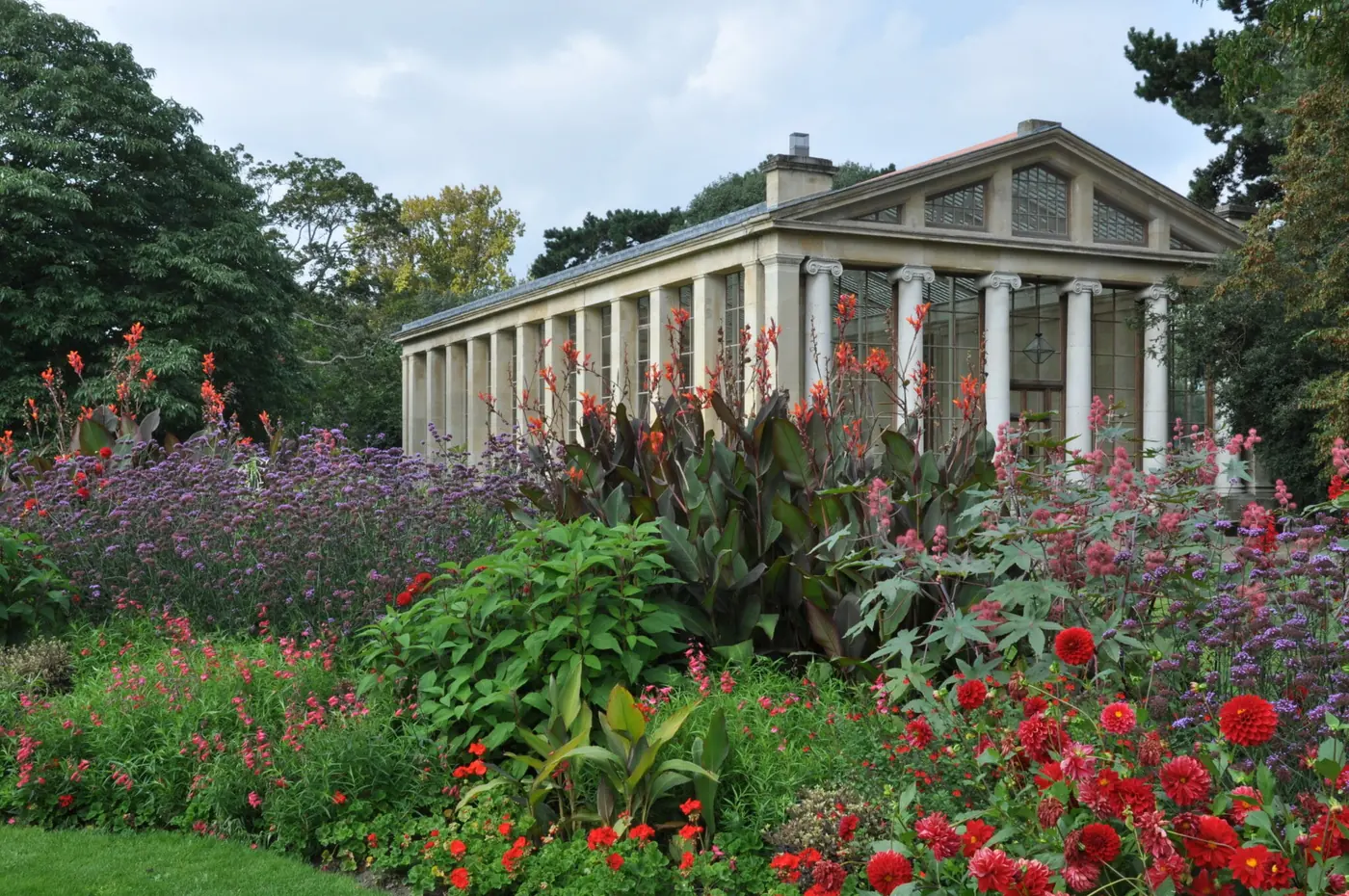
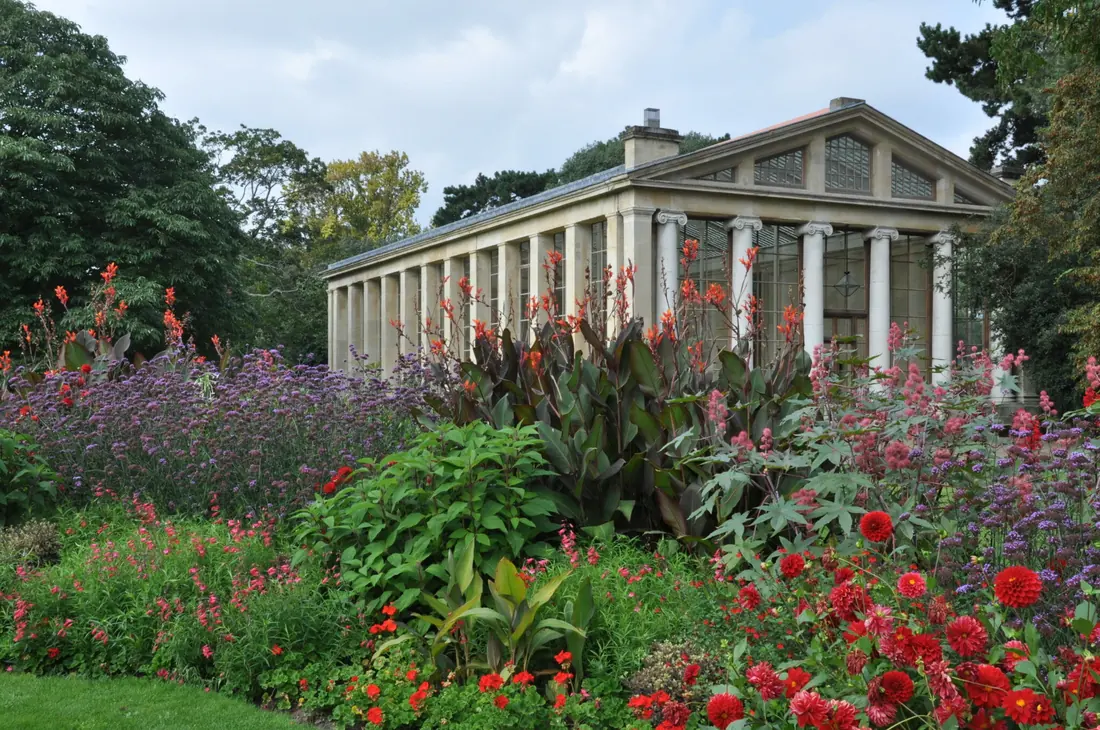
Cannas, dahlias and verbena in summer bedding beside a classical glasshouse at the Royal Botanic Gardens, Kew
Day 2 · Sunday 20 June 2027

Kew Gardens and Royal Tunbridge Wells

Lunch at your own arrangement Stay:  Royal Spa Hotel, Royal Tunbridge Wells

Our garden journey begins at the Royal Botanic Gardens, Kew. The Temperate House brings together plants from temperate regions across the world beneath the glass and ironwork of the largest surviving Victorian glasshouse. Its scale is impressive, but the individual plants are equally absorbing: unfamiliar foliage, distinctive growth and collections whose survival matters well beyond the garden.

Many of the species here are rare or threatened in the wild. The collections connect the pleasure of looking at plants with Kew’s conservation work, including its care for flora from remote islands. Moving through the building gives us a glimpse of the variety held within temperate habitats, including plants that need protection from the cold of an English winter.

Outside, the Great Broad Walk Borders extend for more than 320 metres. Their eight large circular beds use different themes to bring together plant families and combinations, with perennials and grasses changing through the season. The scale allows a long view along the planting as well as close attention to a particular grouping. Aromatic plants in the mint family add another dimension as we pass.

Kew offers several ways to spend the visit, whether you are drawn to glasshouses, trees or the summer borders. There is time to follow your interests and make your own arrangements for lunch in the gardens. It is a generous opening to the week, introducing botanical breadth before we enter the more personal settings of the country gardens.

In the afternoon we travel to Royal Tunbridge Wells, with time to settle in and enjoy the town. This gives the day a change of pace after Kew and brings us into the area from which the Kent and Sussex programme unfolds.

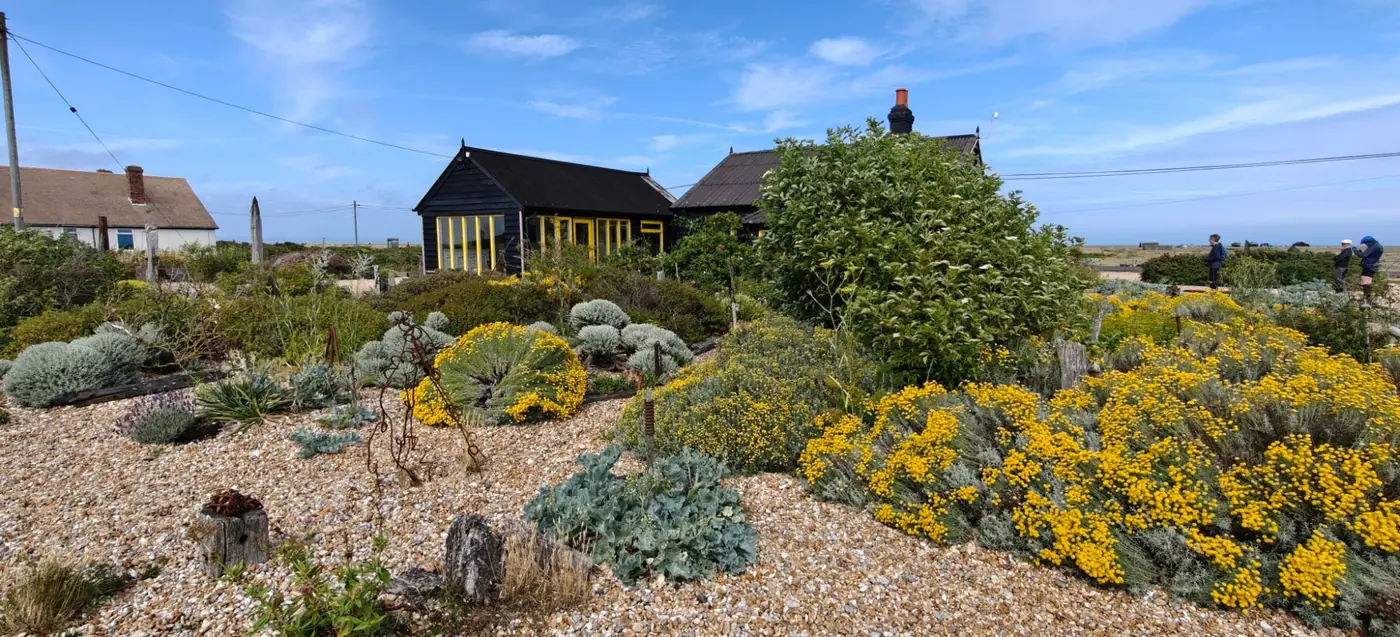
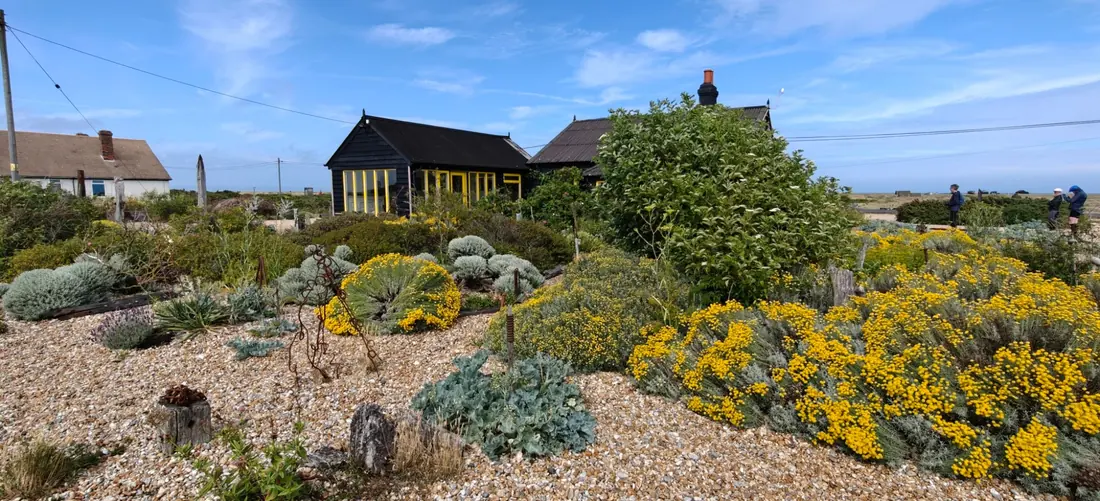
Derek Jarman's garden on the shingle at Prospect Cottage, Dungeness, with the black cottage and yellow window frames behind santolina and sea kale
Day 3 · Monday 21 June 2027

Godinton House & Gardens and Derek Jarman’s garden

Lunch included at Godinton Stay:  Royal Spa Hotel, Royal Tunbridge Wells

We begin at Godinton, where twelve acres of garden surround a historic Kent house. Sir Reginald Blomfield’s 1896 design established the terraces, pond and rose garden, enclosed by a substantial yew hedge. The hedging gives the garden a strong outline, while long herbaceous borders soften the lawns and formal spaces within it.

Successive owners have added to this framework. The Italian Garden, created in the 1920s, offers a more sheltered enclosure beside the working kitchen garden. Productive planting remains part of Godinton’s life, bringing a practical purpose into the ornamental grounds. Elsewhere, the wild garden and parkland widen the setting, with mature oaks and chestnuts connecting the cultivated spaces to an older landscape.

These different areas make Godinton rewarding to explore as a whole. The visit moves between the clear lines of the formal garden, the closer detail of the borders and the broader setting around the house. Lunch is included here before we continue south towards the coast.

At Dungeness, the garden Derek Jarman made around Prospect Cottage grows from an altogether different relationship with place. Shingle surrounds the cottage, and the garden has no clear enclosing boundary. Plants, driftwood sculptures and found objects belong to the same open landscape, where the materials of the shore become part of the work.

Jarman was an artist, filmmaker and writer as well as a gardener. Prospect Cottage brought those interests together, becoming a place of work and refuge whose garden remains closely associated with his life. The planting and objects reward a careful view, while the wider setting gives them a scale and atmosphere that photographs of individual details can only partly convey.

The visit brings an absorbing change after Godinton’s terraces and hedge. We spend time around the garden outside the cottage, enjoying its particular character and the Dungeness landscape. Please take care on the shingle and respect the planting and neighbouring properties. Our programme covers the garden; entry to the cottage interior is not included.

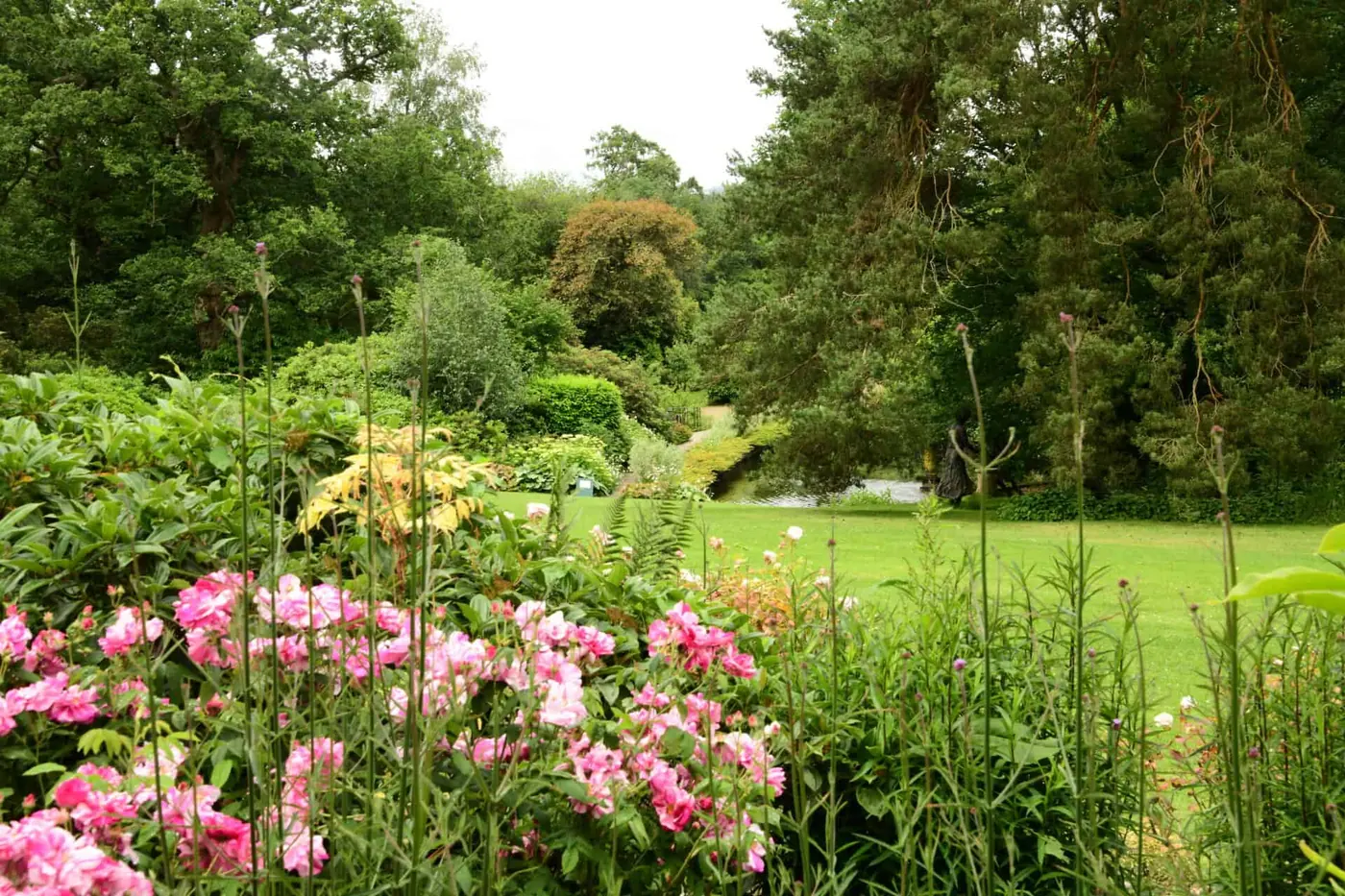
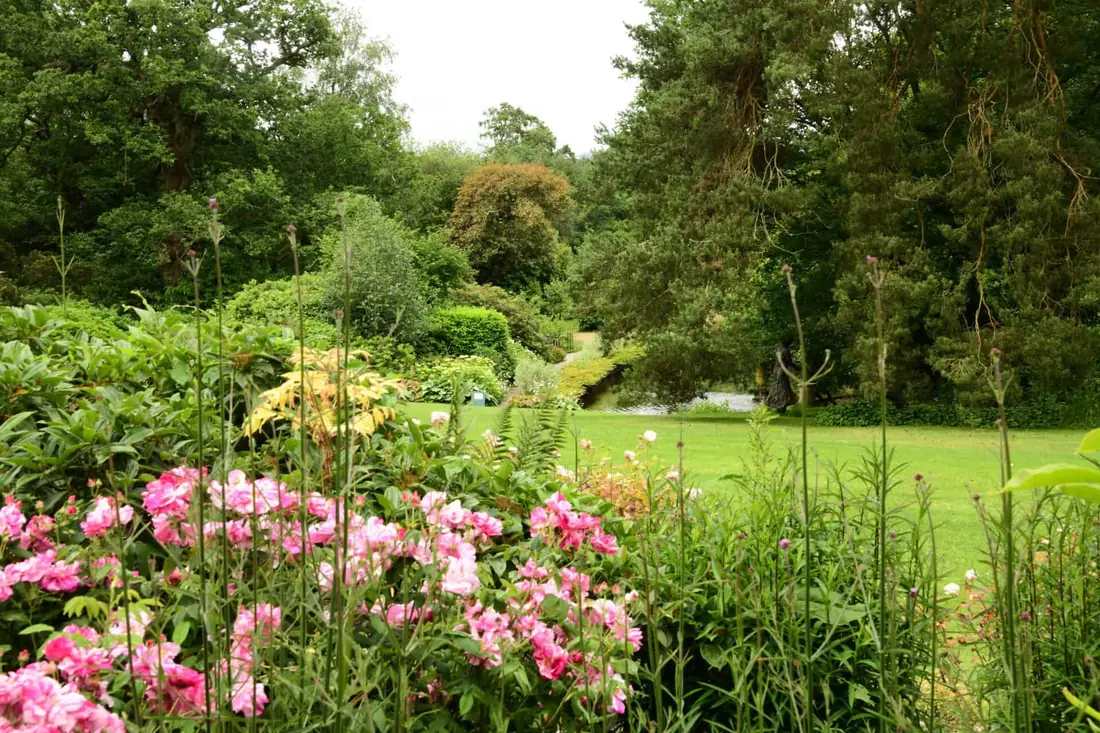
Pink roses in the borders at Pashley Manor, looking across lawn towards the pond and mature trees
Day 4 · Tuesday 22 June 2027

Hever Castle and Pashley Manor

Lunch at your own arrangement Stay:  Royal Spa Hotel, Royal Tunbridge Wells

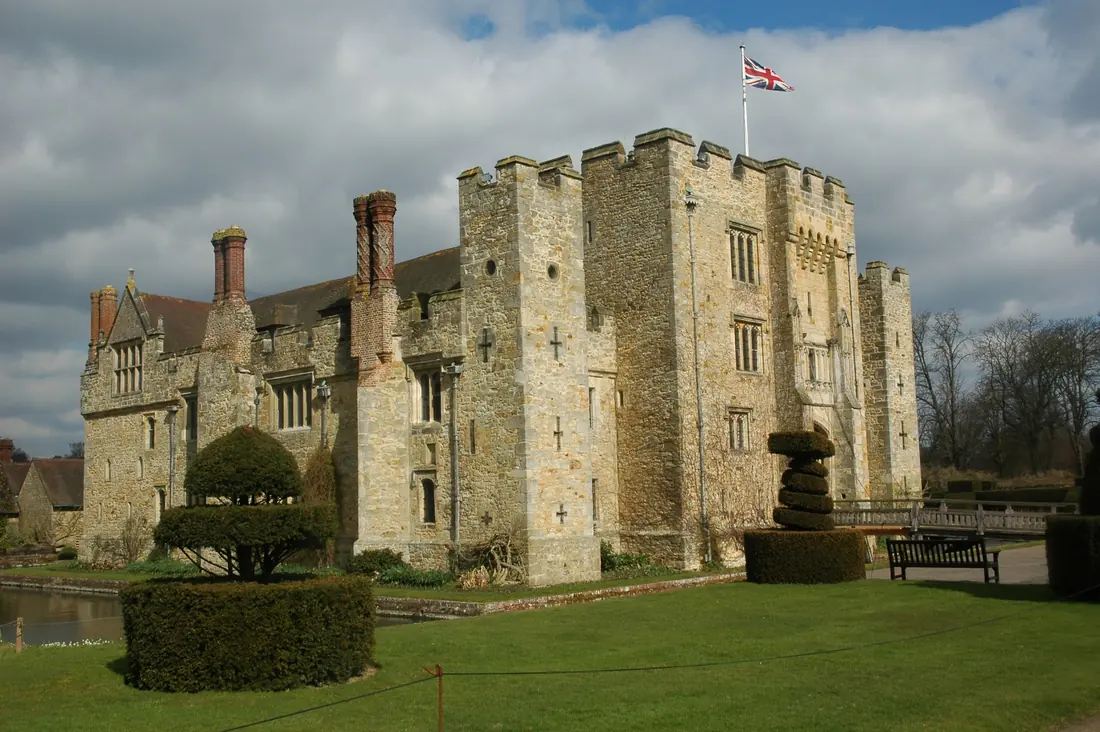
Today brings two gardens with contrasting scales and a shared richness of summer planting. We begin at Hever Castle, where the gardens laid out in the early twentieth century created an extensive landscape around the historic castle.

The Italian Garden was designed to display William Waldorf Astor’s collection of classical sculpture. Walls, statuary and architectural features give it a distinctive setting, leading towards the Loggia and the lake. Water, stone and long views contribute as much to this part of Hever as the planting itself.

Elsewhere, the Rose Garden, Tudor Garden and established tree collections bring a succession of different spaces into the visit. The roses give summer a particular presence, while clipped features and garden architecture provide a framework throughout the season. The extent of the grounds allows us to move from enclosed detail into a more open landscape, with the lake adding a further change of atmosphere.

After time for lunch at your own arrangement, we continue to Pashley Manor on the Kent–Sussex border. Its eleven-acre, family-owned garden brings us closer to the scale of a country home, with careful planting and established trees surrounding the house.

Sweeping herbaceous borders, an espaliered Rose Walk, lawns and box hedges give Pashley its character. Perennials and annuals contribute to the changing displays, and individual garden rooms have their own colour themes. The historic walled garden and kitchen garden add interest beyond the principal ornamental spaces.

Pashley rewards both a wider view and attention to individual combinations. A border seen across a lawn can have a very different effect from the same planting encountered along a path, where flower shapes and foliage become more apparent. The house remains a backdrop to the garden, giving the successive spaces a connection to the place.

Together, the two visits show how much variety the country-garden tradition can contain. Hever brings the ambition of a large estate; Pashley offers the intimacy of a garden maintained around a family home. Both give us plenty to enjoy as summer develops.

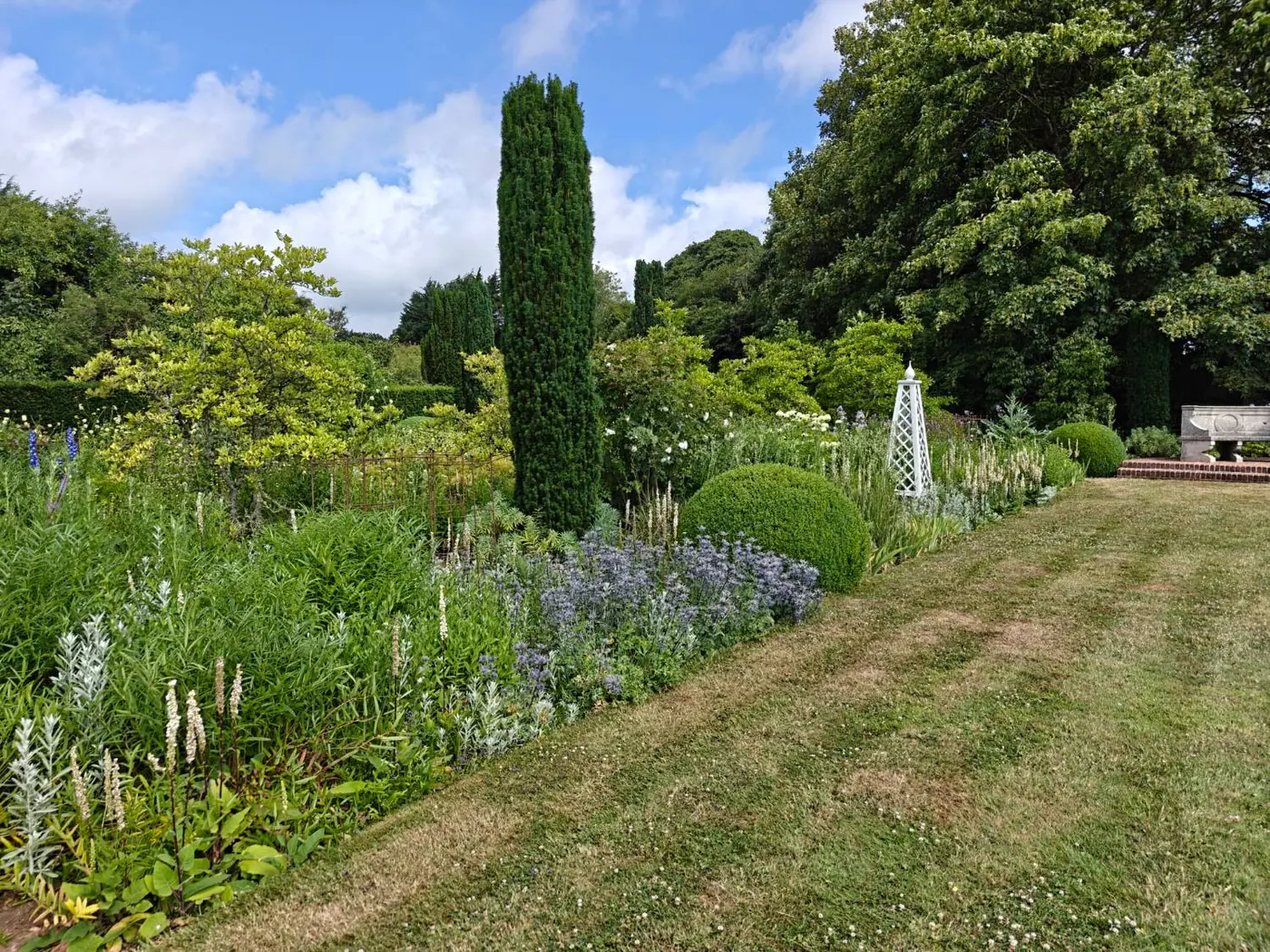
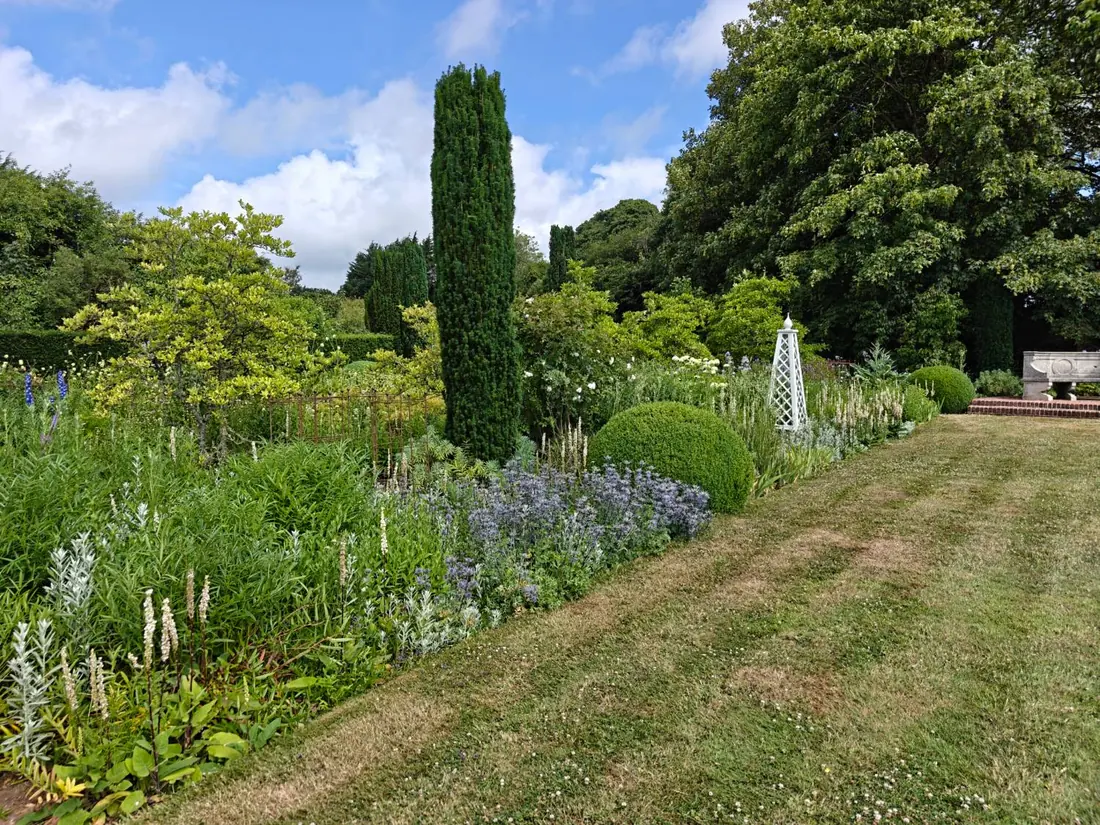
The Double Mirrored Borders at Old Bladbean Stud, with eryngium, clipped box domes and a columnar yew beside a mown grass walk
Day 5 · Wednesday 23 June 2027

Old Bladbean Stud, Canterbury and Goodnestone Park

Coffee or tea at Old Bladbean Stud and cream tea at Goodnestone included Stay:  Royal Spa Hotel, Royal Tunbridge Wells

Our first visit is to Old Bladbean Stud, a private garden in the Kent Downs created by Carol Bruce. Its distinct planting areas give the garden a strong personal character, with roses, a Yellow Garden, pastel planting and Double Mirrored Borders contributing different experiences as we move between them.

The Yellow Garden brings white and yellow perennials together with roses, enclosed by evergreens that separate its colours from the neighbouring planting. It began as an everyday place to sit and spend time, and retains that domestic connection within the wider garden. Its quieter palette offers a change from the intensity of the Rose Garden.

The Double Mirrored Borders take a different approach. In a long, narrow space, repeated planting links the near and distant views. Two lines of symmetry mean that plants recur across and along the borders, creating a composition that develops as we walk. The planting changes through summer, carrying the garden’s colour and character beyond the flowering of any one group.

It is a visit with particular appeal for anyone interested in the choices behind a private garden. Each area has a purpose and a distinct feeling, yet the spaces connect into a coherent whole. Coffee or tea is included during our visit.

We continue to Canterbury for free time to explore independently. You may wish to walk through the historic streets, choose somewhere for lunch or simply pause before the afternoon garden. Any independently chosen attractions are at your own arrangement.

At Goodnestone Park, the gardens extend around a Queen Anne house into formal terraces, woodland and walled enclosures. The walled garden is a particular attraction, with a central view leading through successive spaces towards the old church beyond. The architecture gives continuity to the visit while the planting changes around it.

Herbaceous borders, ornamental planting and productive areas bring different kinds of interest into these sheltered spaces. Around the pond, pinks, purples and blues contribute to the colour scheme, while trained fruit and vegetable growing connect the garden to its practical history. Beyond the walls, clipped yews and terraces open the view towards the estate, and woodland gives another change of pace.

We finish our visit with an included cream tea. After a day that combines a private gardener’s ideas, time in Canterbury and the gardens of a country estate, it provides an opportunity to sit down together and enjoy the setting.

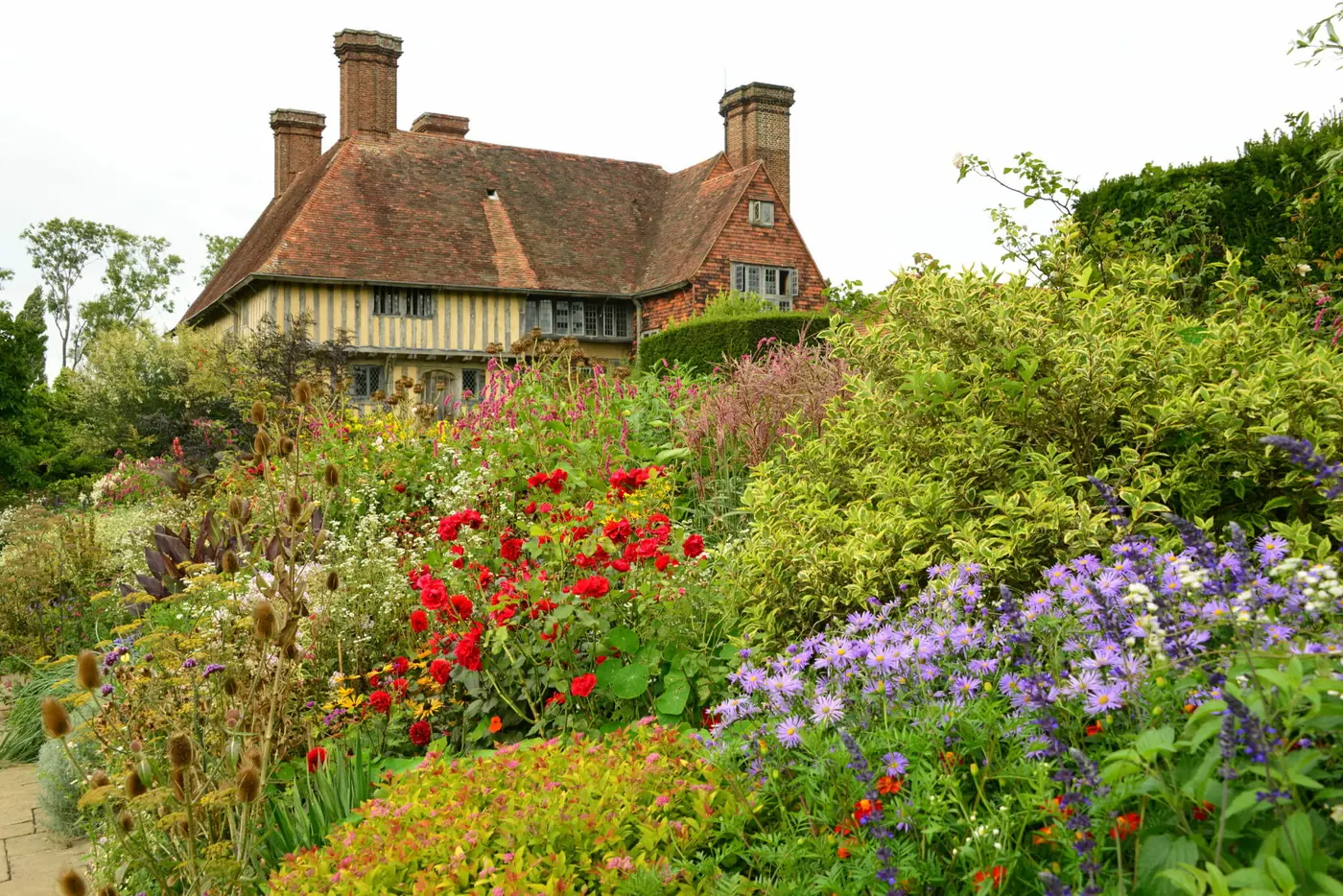
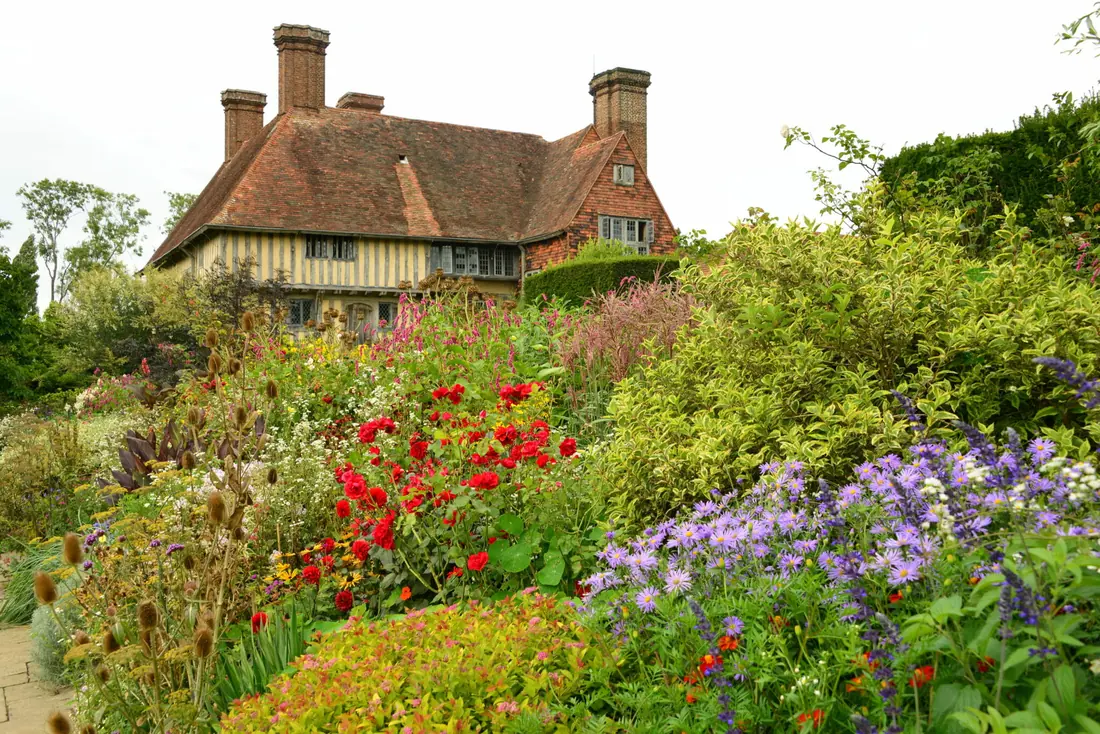
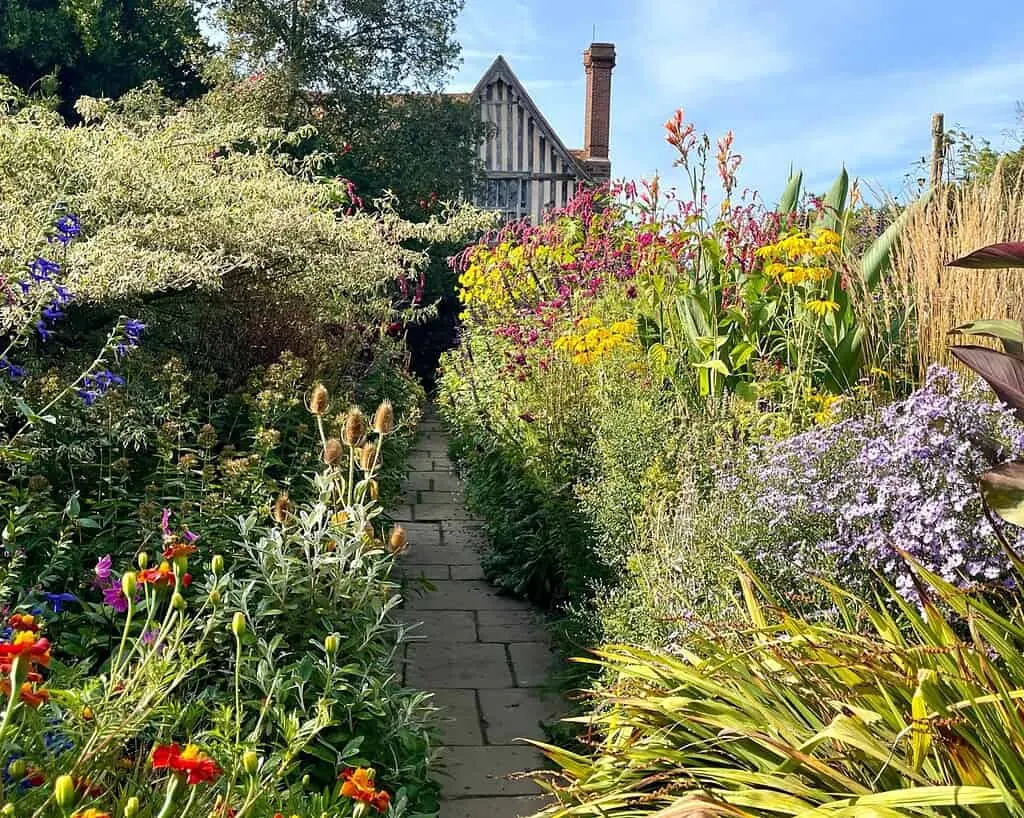
Dense mixed border planting in front of the timber-framed house at Great Dixter
Day 6 · Thursday 24 June 2027

Sissinghurst and Great Dixter

Lunch included during the day Stay:  Royal Spa Hotel, Royal Tunbridge Wells

Today brings together Sissinghurst Castle Garden and Great Dixter, two gardens whose influence has travelled far beyond their Kent and Sussex settings. Seeing them on the same day allows us to enjoy their distinct characters while carrying impressions from one into the other.

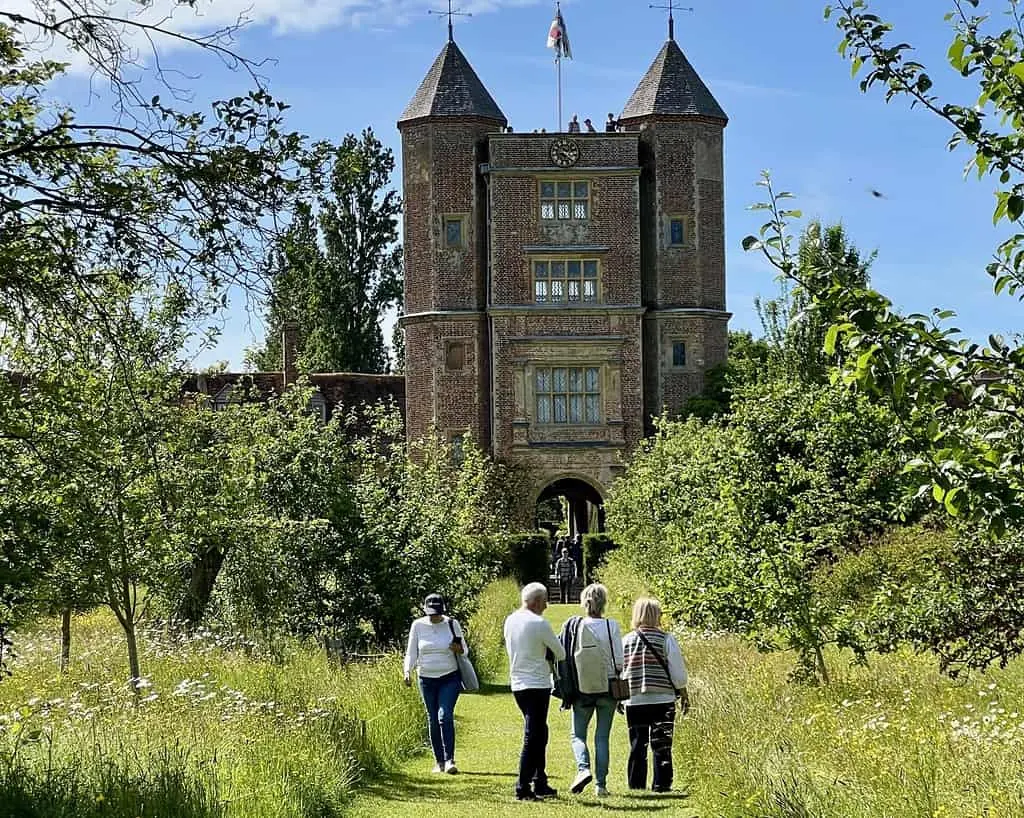
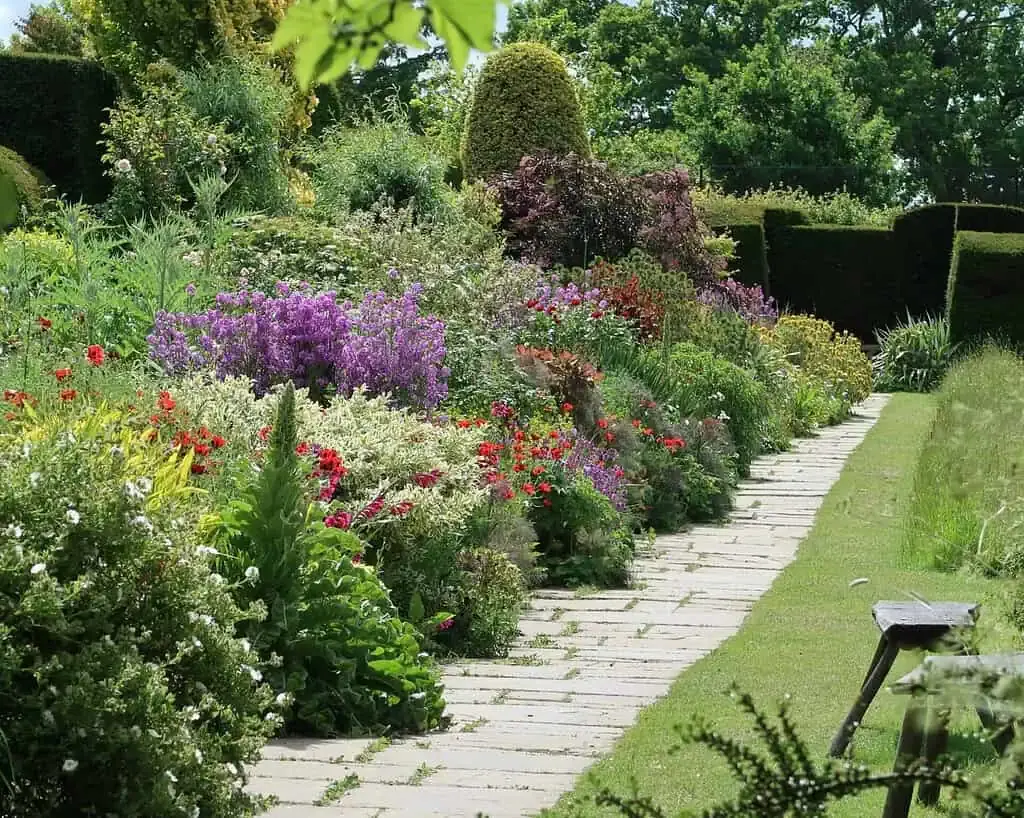
At Sissinghurst, Harold Nicolson’s axes, hedges and enclosed rooms hold Vita Sackville-West’s generous planting within a clear framework. A view ends at a garden feature; a doorway leads into another compartment. These changes of enclosure make the garden unfold gradually, with each room offering its own planting and atmosphere.

The White Garden has a particular clarity. White flowers and green, grey and silver foliage stand against darker hedging, bringing differences of shape and texture into focus. Its interest comes from the whole combination, including shrubs, roses, perennials and annuals, rather than from white flowers alone. Elsewhere, the Rose Garden and other compartments offer a different balance of colour and planting.

The garden is especially rewarding when we allow time for both the larger composition and its details. A familiar view can draw us into Sissinghurst, but a smaller grouping, the light through foliage or the change between two rooms may be what remains most clearly afterwards.

Great Dixter brings a more restless energy to the afternoon. The old timber-framed house and the garden framework associated with Edwin Lutyens give the planting a strong setting. Christopher Lloyd made Dixter famous through his writing and his willingness to experiment, treating the garden as a place of continuing work and discovery.

The Long Border brings shrubs, climbers, perennials and annuals into a dense and changing composition. Plants with different heights, leaf textures and flower forms sit close together, with new combinations appearing as the season moves on. There is much to notice along its length, from the way foliage links two neighbouring groups to a flower that changes the balance of colour around it.

Succession planting remains central to the garden’s approach under Fergus Garrett. Structural plants, bulbs, self-sowers and temporary planting contribute at different times, so the garden is repeatedly adjusted through the year. What can appear spontaneous depends on close observation and skilled care. Topiary and the established framework give continuity while the planting develops around them.

Lunch is included during the day, allowing a pause between the visits. We leave with two very different impressions of the summer garden and a fuller sense of the individual choices that have made both places so influential.

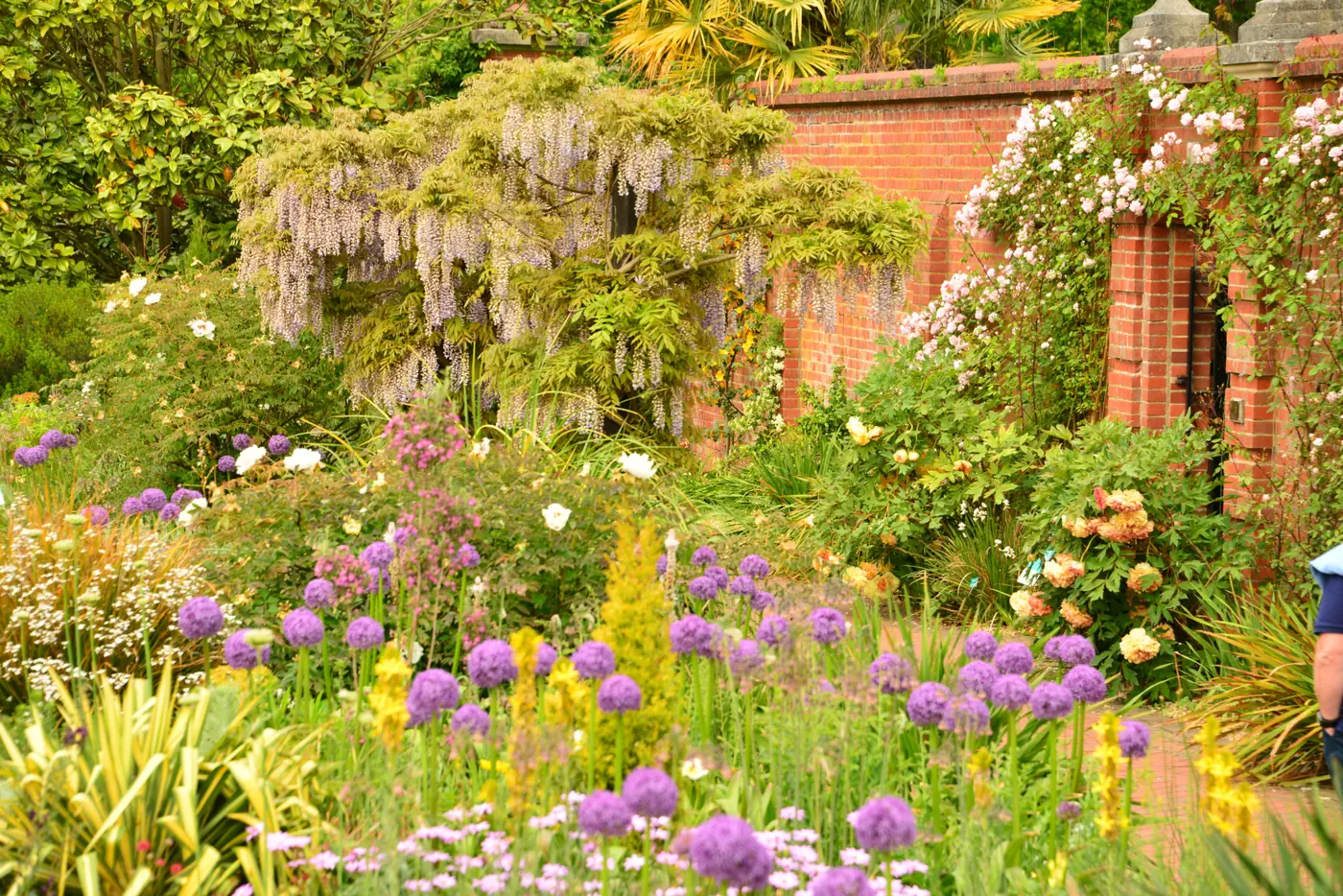
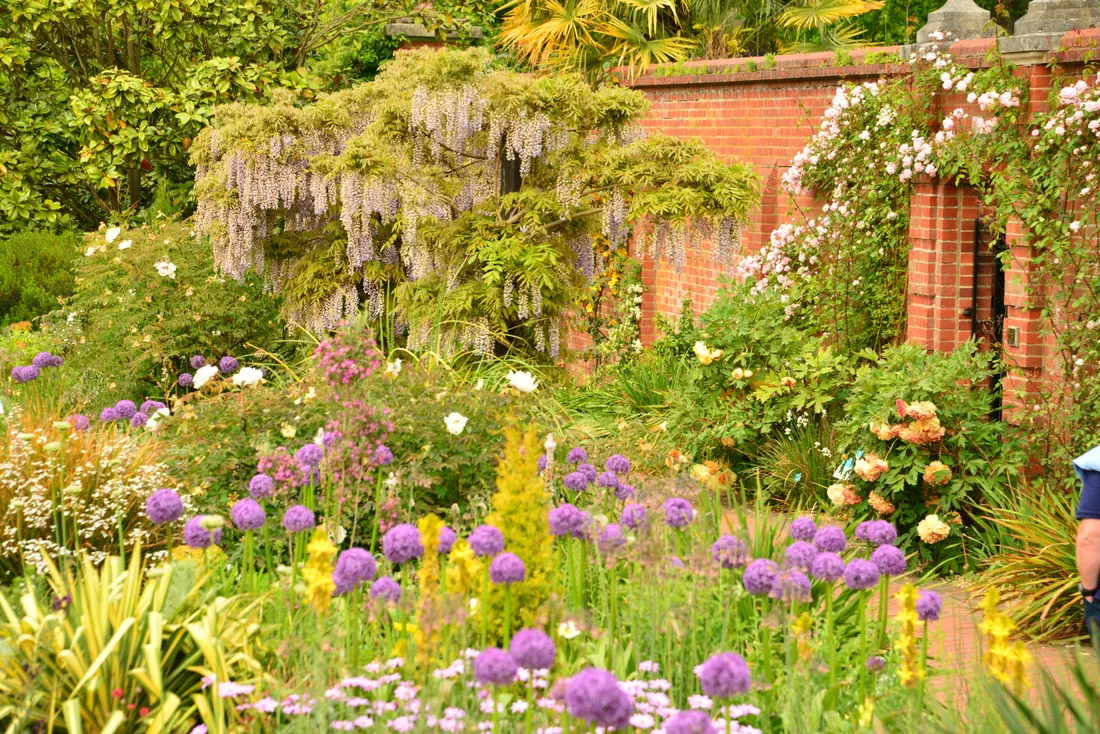
Wisteria, alliums and climbing roses against the brick wall of the walled garden at RHS Garden Wisley
Day 7 · Friday 25 June 2027

Long Barn and RHS Garden Wisley

Owner's talk at Long Barn and lunch voucher at Wisley included Stay:  Hilton London Heathrow Airport Terminal 4

We begin at Long Barn, where Vita Sackville-West and Harold Nicolson gardened while living here between 1915 and 1932. After yesterday’s visit to Sissinghurst, this earlier garden gives their story a more intimate setting and brings us closer to the beginnings of their work together.

The three-acre formal garden developed around the house and the sixteenth-century barn they attached to it. Much of the garden remains original, making Long Barn a particularly direct connection with that period of their lives. Its scale is domestic, and the garden retains the feeling of a place created and cared for around a home.

An owner’s talk helps us understand its history and present-day care. This adds something that the layout alone cannot tell us: how a historic private garden is maintained, what its existing character asks of those who look after it and how the seasons continue to shape it. The visit provides a personal close to our Kent garden programme before we travel into Surrey.

At RHS Garden Wisley, the range of horticulture broadens again. The Mixed Borders are among its defining views, bringing colour and texture along either side of the Broadwalk. Their planting develops from late spring into autumn, with July and August particularly rewarding months for the summer display.

Wisley offers plenty beyond the borders, including the Glasshouse and wider garden collections. There is time to choose a route according to your interests, whether you would like to spend longer with particular plants or enjoy a broader walk through the garden. The lunch voucher allows you to decide when to pause for your meal within the visit.

Ending at Wisley brings the journey back to the breadth with which it began at Kew. Between those two collections we have seen gardens made for homes, estates, experimentation and personal expression. The final afternoon leaves room to enjoy the planting in front of us and consider the ideas and discoveries we would like to carry home.

The Hilton London Heathrow Airport Terminal 4 hotel seen from outside, with trees and planting in front
Day 8 · Saturday 26 June 2027

Departure

Our tour ends after the final overnight stay. Continue with your onward travel today or extend your time in England independently.

The journey has brought us from Kew’s collections to private Kent planting, from enclosed garden rooms to Dungeness shingle, and from Sissinghurst and Great Dixter to the breadth of Wisley. Each place has contributed its own character to a week of English gardens in summer.

Images from the tour

A selection of gardens, planting details and places featured in the journey.

The Elizabethan tower at Sissinghurst seen over white flowers and silver foliage
Dense mixed border planting in front of the timber-framed house at Great Dixter
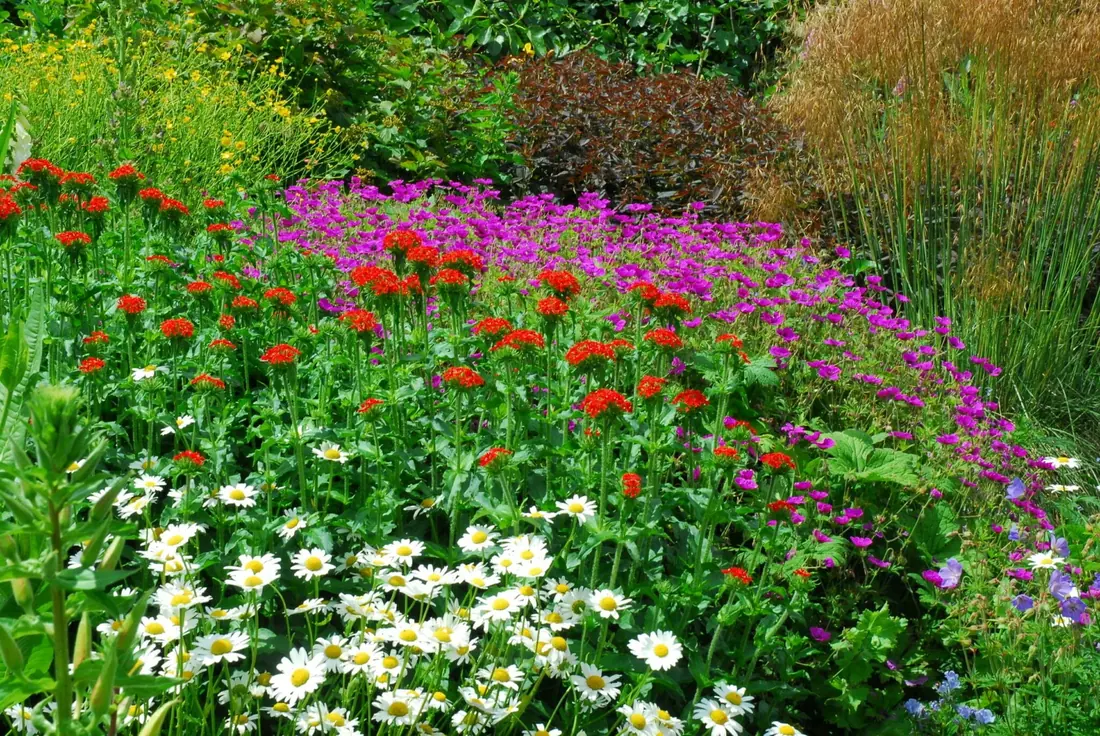
Summer border planting of daisies, geraniums and grasses at Great Dixter
Cannas, dahlias and verbena in summer bedding beside a classical glasshouse at Kew
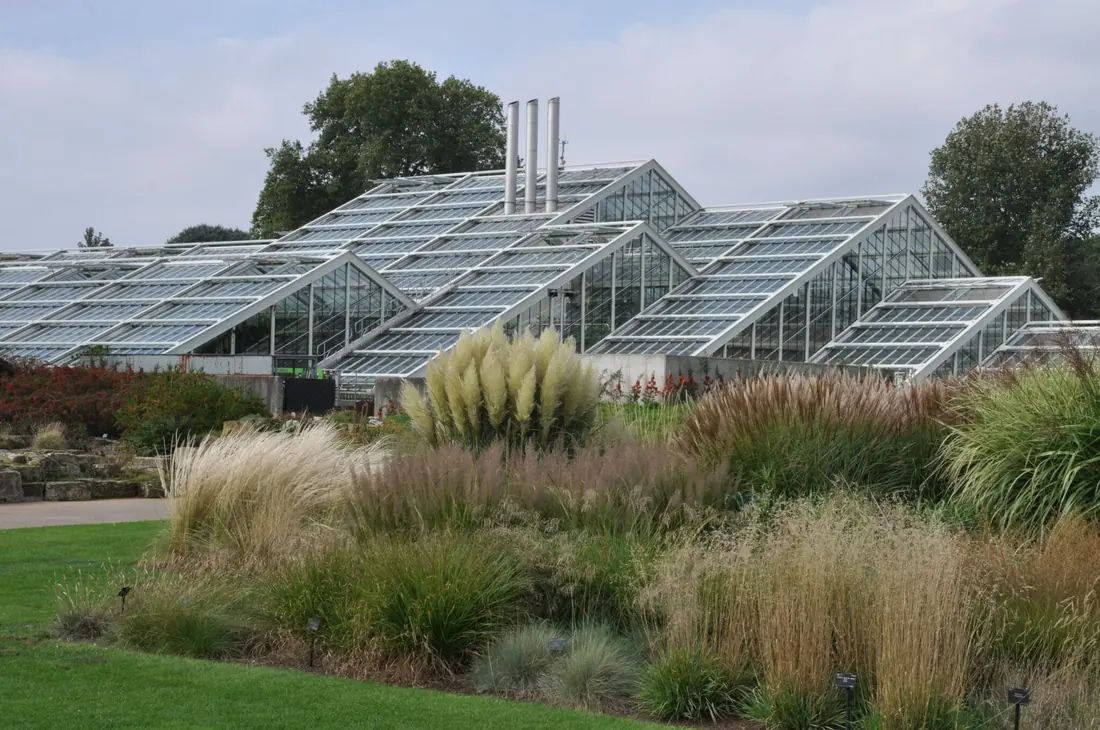
Ornamental grasses in front of a glasshouse at the Royal Botanic Gardens, Kew
The Elizabethan tower at Sissinghurst above heleniums and euphorbia in the summer borders
Derek Jarman's shingle garden at Prospect Cottage, Dungeness, with yellow santolina and sea kale around the black cottage
Summer borders at Sissinghurst Castle Garden, Kent
Planting and clipped hedging at Sissinghurst Castle Garden
Summer border planting at Great Dixter, East Sussex
Mixed planting at Great Dixter, East Sussex
The moated castle at Hever, with clipped topiary and lawn
Pink roses and herbaceous planting above the lawn at Pashley Manor
Wisteria and alliums in the walled garden at RHS Garden Wisley
The Double Mirrored Borders at Old Bladbean Stud, with eryngium, clipped box domes and a columnar yew beside a mown grass walk
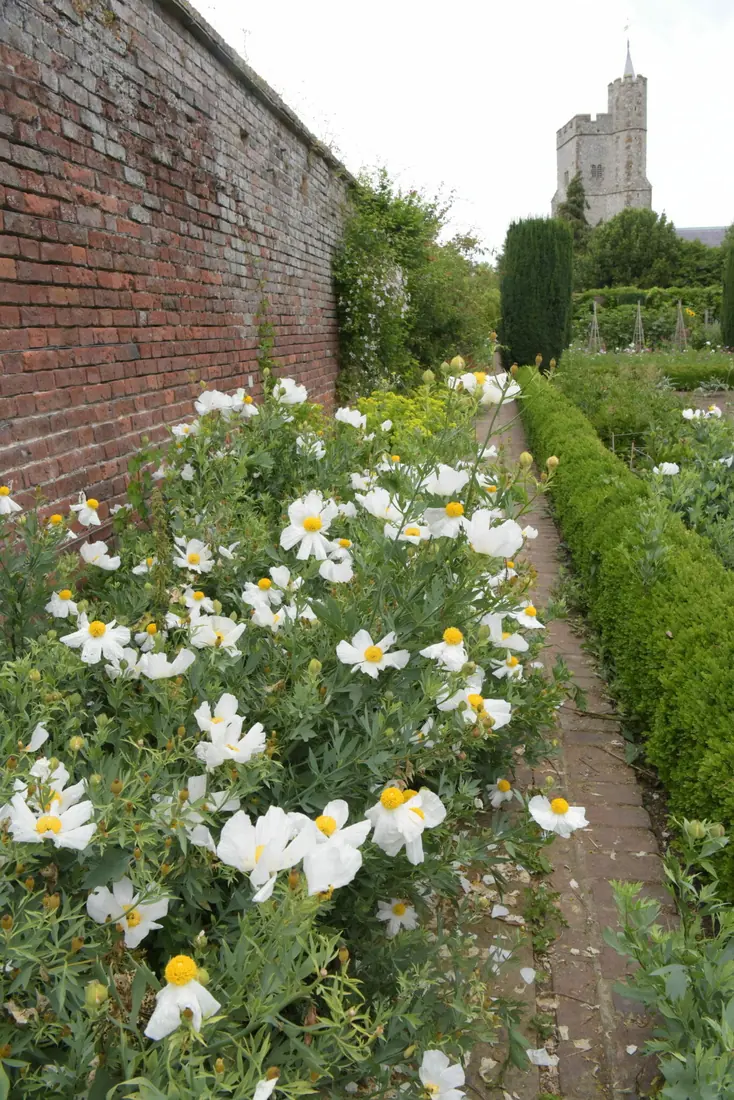
White tree poppies against the brick wall of the walled garden at Goodnestone Park, with the church tower beyond
Other garden journeys

Explore another season or region

Our garden tours offer different ways to experience England and its neighbours through their gardens. Compare the summer programme with a Chelsea Flower Show journey, discover the private gardens and landscapes of Scotland or Ireland, or explore Piet Oudolf's work and naturalistic planting in the Netherlands.

Related reading

Preparing for your garden journey

Read about the gardens and regions we visit, and what to expect from travelling with a small group. These articles provide background for the journey and practical advice for enjoying full days in gardens.

Suitability

Is this tour right for you?

This tour suits travellers who enjoy exploring gardens in depth, with an interest in plants, garden history and the places around them. Experienced gardeners will find much to absorb, while companions drawn to country estates, historic towns and landscapes have plenty to enjoy too.

  • Experienced gardeners will find much to absorb, while companions drawn to country estates, historic towns and landscapes have plenty to enjoy too.
  • Garden visits involve regular walking on lawns, gravel and uneven paths, with slopes and occasional steps.
  • Long Barn is terraced, with some narrow historic paths. The garden at Prospect Cottage is on shingle, with limited pathways.
  • Some days include two or three stops. Free time in Royal Tunbridge Wells and Canterbury, and a flexible lunch stop at Wisley, provide variety within the programme.
  • Comfortable footwear and clothing for changing weather will help you enjoy the gardens. Coastal conditions at Dungeness may feel different from those inland.
  • If you have mobility concerns, please contact us before booking so we can discuss the specific visits and whether the programme suits you.
Tour map

Where this tour travels

The journey begins with Kew in London, then takes us into the Kent and Sussex countryside around Royal Tunbridge Wells. Excursions include the coast at Dungeness, Canterbury and the gardens of east Kent, before our final garden day continues to RHS Wisley in Surrey.

Booking options

Dates & Prices

Choose your preferred room type and secure your place on the 19–26 June 2027 departure. Prices are per person for the eight-day tour.

Departure
19 June 2027
Option
Double — two people sharing
Price per person
US$4,735
Departure
19 June 2027
Option
Twin — two people sharing
Price per person
US$4,735
Departure
19 June 2027
Option
Single occupancy
Price per person
US$5,960

A non-refundable deposit secures your place. See Booking Conditions.

What’s included

Included

  • Admission to the scheduled gardens, including Kew, Godinton, Hever Castle gardens, Pashley Manor, Old Bladbean Stud, Goodnestone Park, Sissinghurst, Great Dixter, Long Barn and RHS Wisley
  • A visit to the garden outside Prospect Cottage at Dungeness
  • Lunch at Godinton, lunch during the Sissinghurst and Great Dixter day, and a lunch voucher at Wisley
  • Coffee or tea at Old Bladbean Stud and cream tea at Goodnestone Park
  • An owner's talk at Long Barn
  • Hotel accommodation for the final confirmed tour duration
  • One restaurant dinner, with details supplied in the final itinerary

Not included

  • Lunch during the Kew and Hever Castle days
  • Other meals not identified as included in the final itinerary
  • Independently chosen attractions during free time in the towns
  • Travel to and from the UK
  • A visit inside Prospect Cottage is outside the stated programme
From US$4,735
Book Now